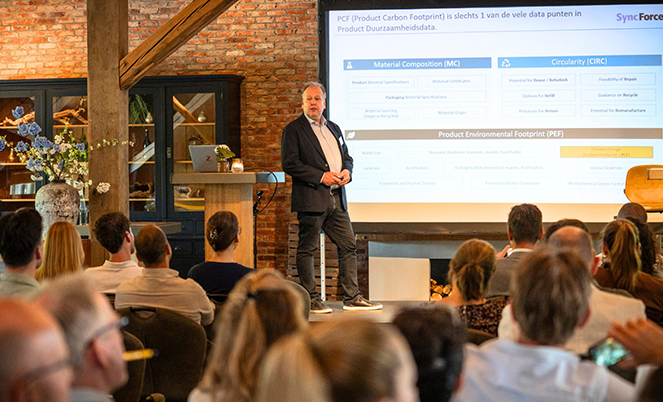
On June 18, SyncForce will be present at the ImpactBuying Climate Impact Event. Join the event and stay connected! […]

Unlocking the Future of Packaging Data Management with SyncForce Circular PIM
In the Real World of packaged goods manufacturers, accurate packaging data management is essential to meet regulations like the PPWD and achieve sustainability goals. Learn how SyncForce Circular PIM helps CPG and FMCG manufacturers streamline data processes, ensure compliance, and prepare for the future. […]
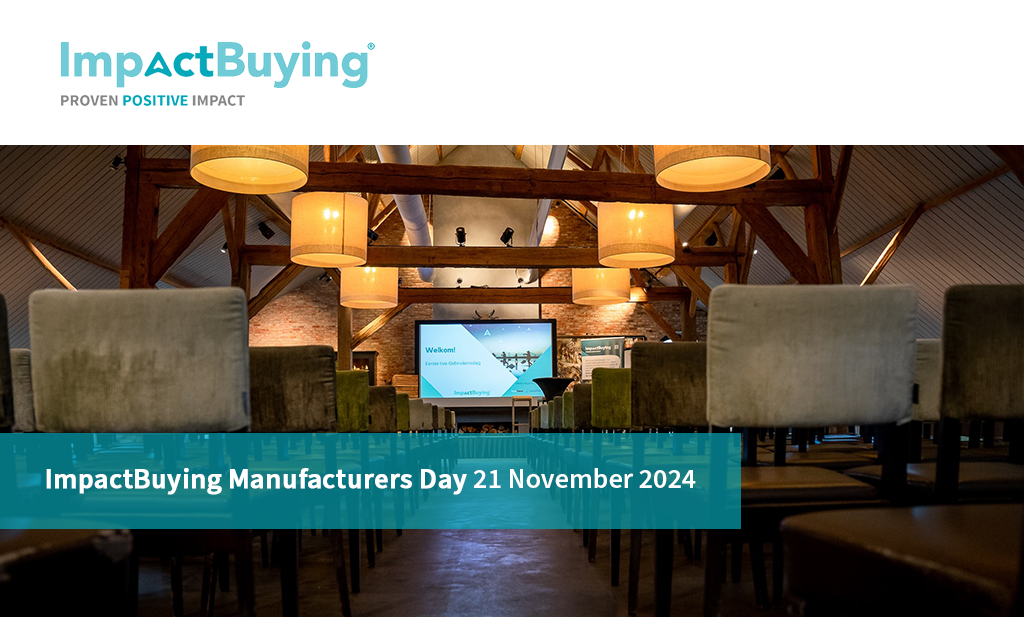
SyncForce at ImpactBuying Manufacturers Day
On November 21, SyncForce will be present at the ImpactBuying Manufacturers’ Day, an event dedicated to packaged goods manufacturers in the Netherlands and Belgium. Join the event and stay connected! […]

Understanding Scope 1, 2, and 3 Emissions in Food Manufacturing: A Comprehensive Guide
Explore the impact of Scope 1, 2, and 3 emissions on sustainable food manufacturing practices. Discover how these emissions influence every stage of production, from raw materials to consumer usage, shaping eco-friendly strategies for a greener future. […]
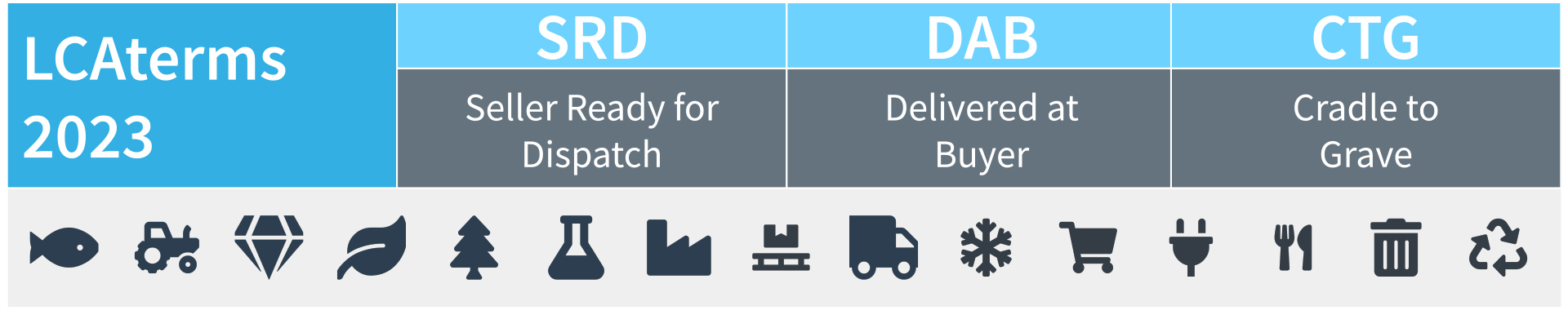
Do we need LCAterms to enable Sustainability Data Exchange across the supply chain?
As businesses increasingly embrace sustainable practices, the assessment of product environmental impacts through Life Cycle Assessment (LCA) has gained paramount importance. However, an ongoing challenge is the accurate exchange of upstream Scope 3 emissions data within supply chains. […]
Packaging taxes & single-use plastics: The burden of data management grows!
Packaging taxes and single-use plastics can be complex and constantly changing, adding to the burden of data management. How to manage sustainability data complexity and avoid confusion. […]
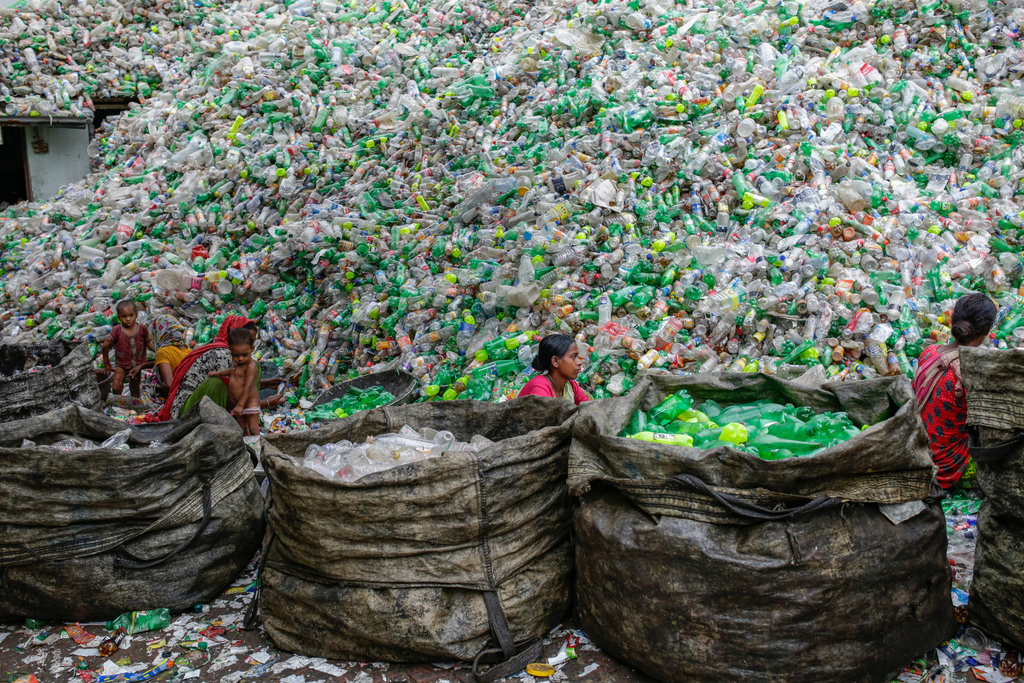
Making the impossible possible: a Digital Product Passport for a circular economy
Many businesses will have to move from a customer-centric business model to a planet-centric model. But what does this mean for your business? Generally speaking, a circular economy cannot be realized without data. So all involved parties in the digital supply chain must get their (product) data organizations organized. In this article: Why do you (and we) need a Product Passport? […]
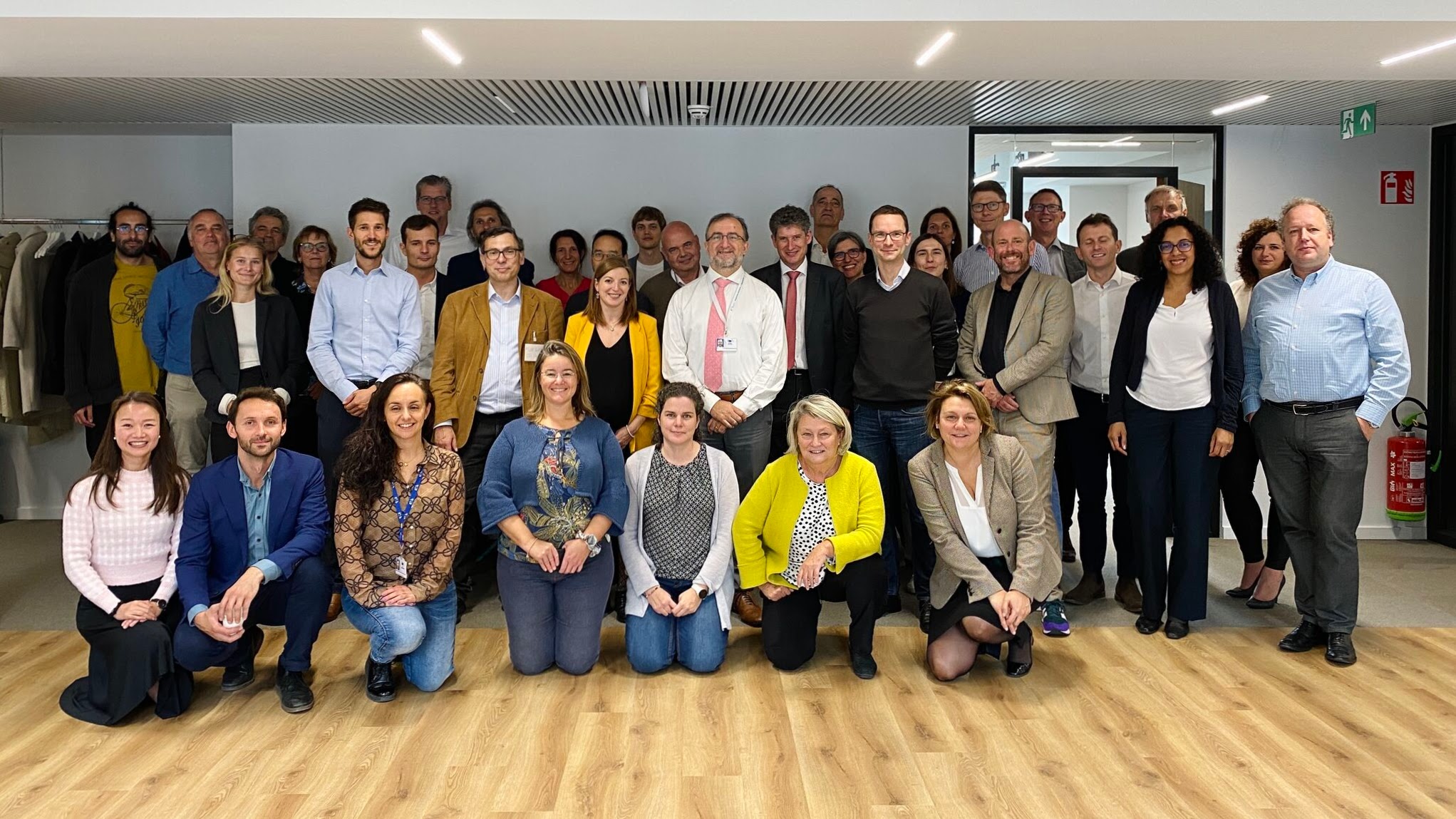
SyncForce joins CIRPASS to lay the ground for the deployment of European Digital Product Passports
SyncForce joins the CIRPASS consortium, bringing together a core network of leading organisations in building the European vision for a unified Digital Product Passport (DPP) approach across multiple value chains. […]
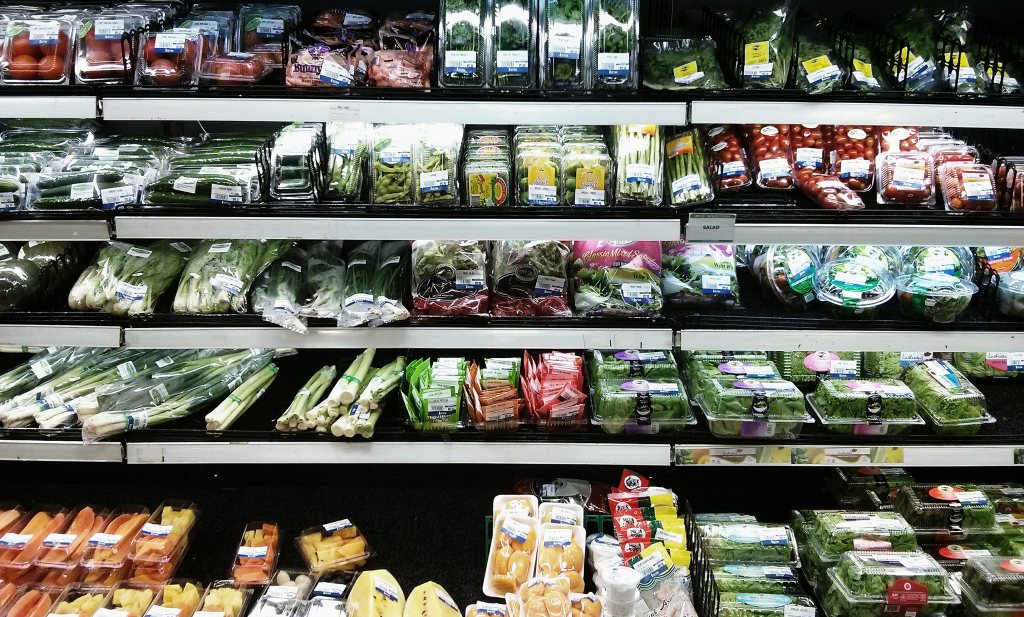
Foodlog: The Goodness Paradox is what happens when we’re forced to choose between sustainability goals
Reducing food waste is a popular way for manufacturers to become more sustainable. One way to achieve that goal is by using packaging for products, which extends their shelf lives. Unfortunately, making more use of plastic can hardly be called ‘sustainable’. This is just one example of the sustainability conflicts that can arise around a single product – labelled the ‘Goodness Paradox’ by SyncForce CEO Hans de Gier, during the Digital Food webinar earlier this year. […]